Eye Health
Your vision is what allows you to see the world around you. You have vision thanks to several components within your eye and brain that work together. These parts include the:
Healthy Vision
What is vision?
Your vision is what allows you to see the world around you. You have vision thanks to several components within your eye and brain that work together. These parts include the:
- Lens.
- Retina.
- Optic nerve.
Each part turns light and electrical signals into images that you can see.
The main components of your vision include:
- Cornea: This is the front layer of your eye. The cornea is dome-shaped and it works by bending the light that enters your eye.
- Pupil: The pupil is the black dot in the center of your eye that acts as a gateway for light. It expands in dim light and shrinks in bright light. It’s controlled by the iris.
- Iris: This part is typically referred to as your eye color. The iris is a muscle that controls the size of your pupil and the amount of light that enters your eye.
- Lens: The lens is behind the iris and pupil. It works with your cornea to focus the light that enters your eye, much like a camera. The lens brings the image in front of you into a sharp focus, which allows you to see the details clearly.
- Retina: Located at the back of the eye, the retina is a layer of tissue that transforms the light coming into your eye into electrical signals. These signals are sent to the brain where they are recognized as images.
- Optic nerve: This part of your vision works as the connecting element between the retina and the brain. Your optic nerve transmits the electrical signals formed in the retina to the brain. Once there, the brain creates images.
- Tears: Though they are most commonly thought of in relation to crying, tears are meant to keep your eyes wet and help you focus clearly. They also help protect your eyes from irritation and infection.
What conditions could affect my vision?
There are many different conditions that can affect your vision. These conditions often interfere with the ability of light to pass from the eye to the brain. Healthcare providers can often prevent or correct many of these conditions. Conditions that affect your vision can include:
- Aging: As you get older, your risk increases for vision-impairing conditions. Common disorders include cataracts (clouding of the eye lens) and age-related macular degeneration (AMD), a condition that causes loss or distortion of vision.
- Damage: Injuries may cause a detached retina or a clouding of the cornea or lens. This damage can block light from passing through your eye and cause vision loss.
- Development disorders: Sight problems such as amblyopia (lazy eye) occur when one or both eyes develop abnormally during childhood.
- Disease: Diseases like glaucoma (increased fluid pressure in the eye) can damage the optic nerve. As a result, they impair the brain’s ability to turn electrical signals into images.
- Infection: Infections in any part of the eye can affect your ability to see.
- Refractive errors: Vision problems can occur when your eye doesn’t bend light properly. This issue may impair your eye’s ability to focus and cause unclear eyesight. Corrective lenses, such as glasses or contact lenses, can often improve your eyes ability to see clearly.
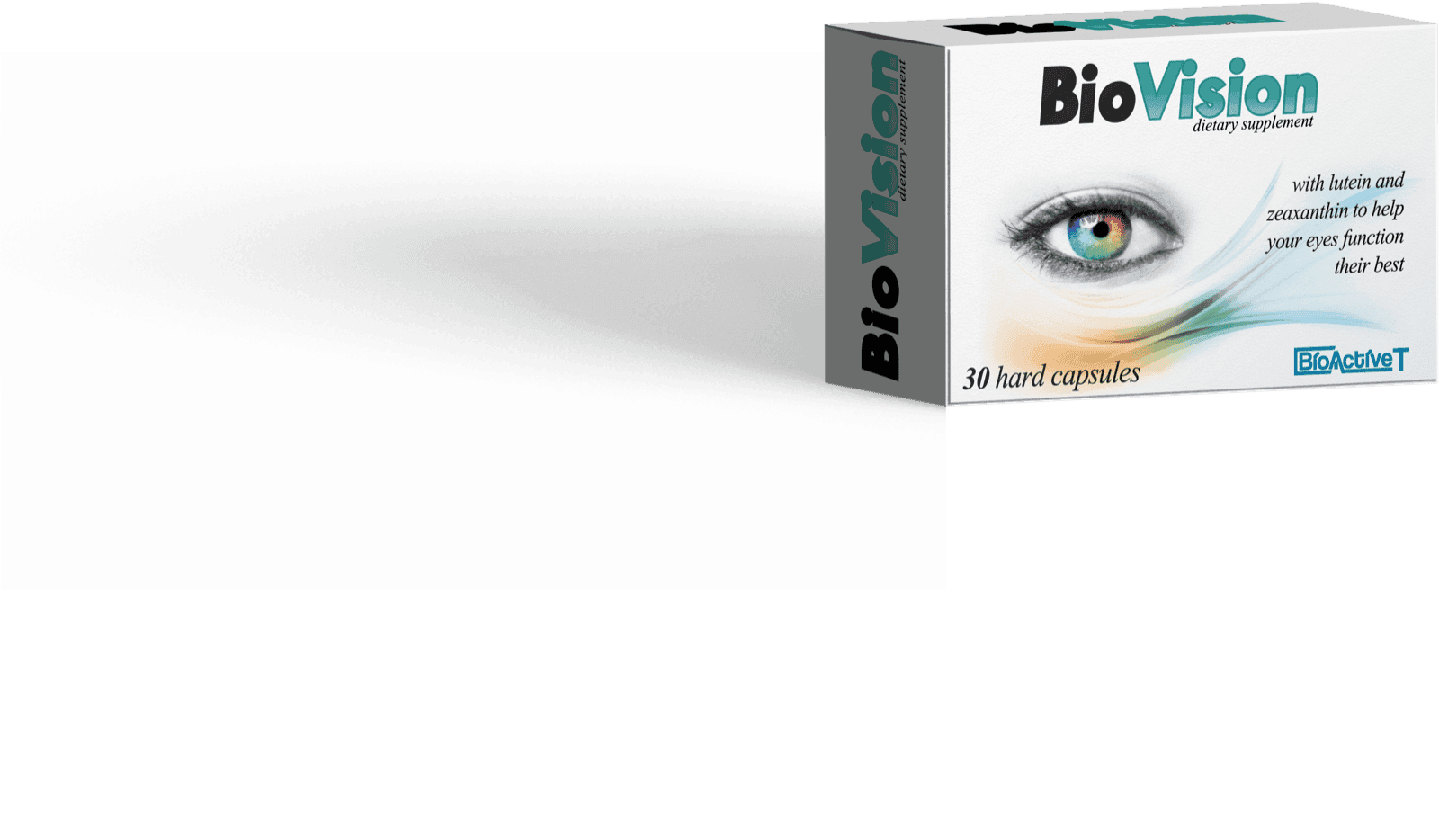
View our available products of Eye-care below.
How can I keep my vision healthy?
There are several things to do on a daily basis to promote healthy vision. Some of these tips include:
- Getting regular eye exams: Your eye doctor can identify and treat eye problems early. It’s important to schedule yearly eye care appointments, so any developing issues can be cared for as early as possible.
- Wearing sunglasses: More than just a fashion statement, sunglasses protect your eyes from the sun's damaging rays and can slow down the aging process of your eyes.
- Wearing eye protection: If you have a job or activity where you could get an eye injury, always wear eye protection. This could include various sports, construction work or factory work.
- Eating a healthy diet: Pick foods that are good for your eyes, such as fruits, vegetables, and salmon. Leafy greens (spinach, kale and collard greens) are especially healthy for your eyes.
- Exercising regularly: Making time to regularly exercise can help to prevent a variety of health issues throughout your life. These can include diabetes and high blood pressure, which can cause vision problems.
- Avoid smoking: Not smoking can reduce your risk of developing diseases like cataracts and macular degeneration.
This article is for general education. It is not medical advice. Talk to a doctor or pharmacist about your specific situation.
Related BioActiveT products
Products from our range in Eye Health.