Gastrointstinal Health
There are a number of bacteria, viruses, and parasites that cause gastrointestinal (GI) infections. According to the U.S. Centers for Disease Control and Prevention Trusted Source, diarrheal diseases…
Prevention
What is a gastrointestinal infection?
There are a number of bacteria, viruses, and parasites that cause gastrointestinal (GI) infections. According to the U.S. Centers for Disease Control and Prevention Trusted Source, diarrheal diseases account for 1 in 9 child deaths worldwide. It affects 2,195 children every day — more than AIDS, malaria, and measles combined.
Although they can continue for as long as 14 days, GI infections usually last a few days. They’re characterized by abdominal cramps and discomfort followed by diarrhea. Other symptoms might include:
- nausea
- vomiting
- fever
- loss of appetite
- muscle aches
- dehydration
- headache
- mucus or blood in the stool
- weight loss
Common causes of gastrointestinal infections include:
- Bacterial
- Viral
- Parasite
When to see your doctor?
Adults
See your doctor right away if you:
- have a fever above 104°F (40°C)
- have an inability to keep liquids down for 24 hours
- are vomiting for more than 48 hours
- are vomiting blood
- are becoming dehydrated: excessive thirst, dry mouth, little or no urine (or deep yellow urine), extreme weakness, lightheadedness or dizziness
- have blood in your bowel movements
Children
See your pediatrician right away if your child:
- has a fever of above 102°F (39°C)
- is experiencing a lot of discomfort or pain
- appears lethargic
- is very irritable
- has bloody diarrhea
- appears dehydrated
To tell if your child is dehydrated, you can monitor how much they’re drinking and urinating and compare to their typical amount.
Infants
Get your baby to their pediatrician right away if they:
- have been vomiting (not just normal spitting up) for more than several hours
- have a dry mouth
- haven’t had a wet diaper in six hours
- cries without tears
- has severe diarrhea
- has bloody stools
- is unresponsive
- is unusually drowsy or sleepy
- has a sunken soft spot on the top of their head
What is GERD (chronic acid reflux)?
GERD (gastroesophageal reflux disease, or chronic acid reflux) is a condition in which acid-containing contents in your stomach persistently leak back up into your esophagus, the tube from your throat to your stomach.
Acid reflux happens because a valve at the end of your esophagus, the lower esophageal sphincter, doesn’t close properly when food arrives at your stomach. Acid backwash then flows back up through your esophagus into your throat and mouth, giving you a sour taste.
Acid reflux happens to nearly everyone at some point in life. Having acid reflux and heartburn now and then is totally normal. But, if you have acid reflux/heartburn more than twice a week over a period of several weeks, constantly take heartburn medications and antacids yet your symptoms keep returning, you may have developed GERD. Your GERD should be treated by your healthcare provider. Not just to relieve your symptoms, but because GERD can lead to more serious problems.
How Do Proton Pump Inhibitors Work?
PPIs work by blocking and reducing the production of stomach acid. This gives any damaged esophageal tissue time to heal. PPIs also help prevent heartburn, the burning sensation that often accompanies GERD. PPIs are one of the most powerful medications for relieving GERD symptoms because even a small amount of acid can cause significant symptoms.
PPIs help to decrease stomach acid over a four to 12-week period. This amount of time allows for proper healing of the esophageal tissue. It may take longer for a PPI to ease your symptoms than an H2 receptor blocker, which usually starts reducing stomach acid within one hour. However, symptom relief from PPIs will generally last longer. So PPI medications tend to be most appropriate for those with GERD.
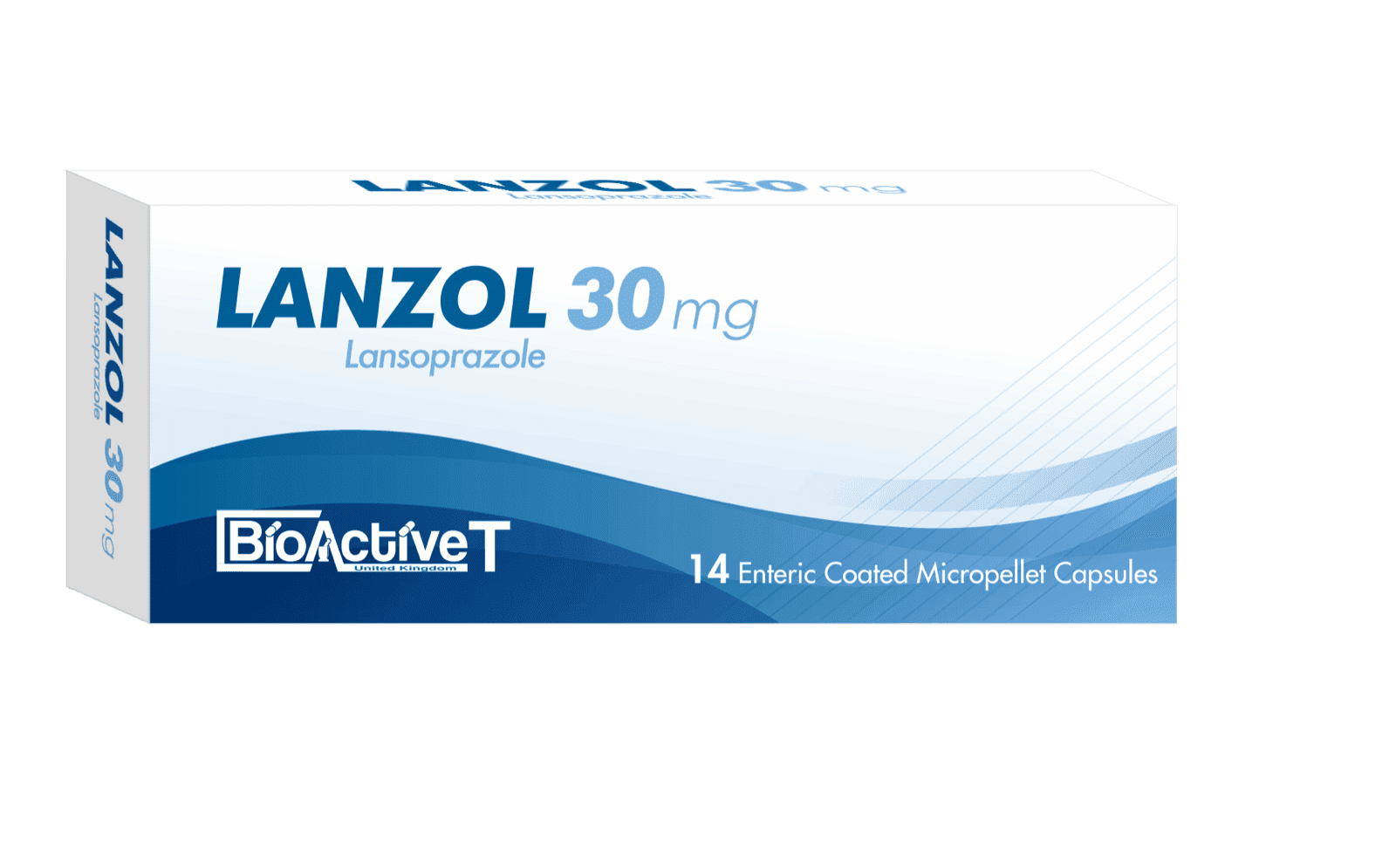
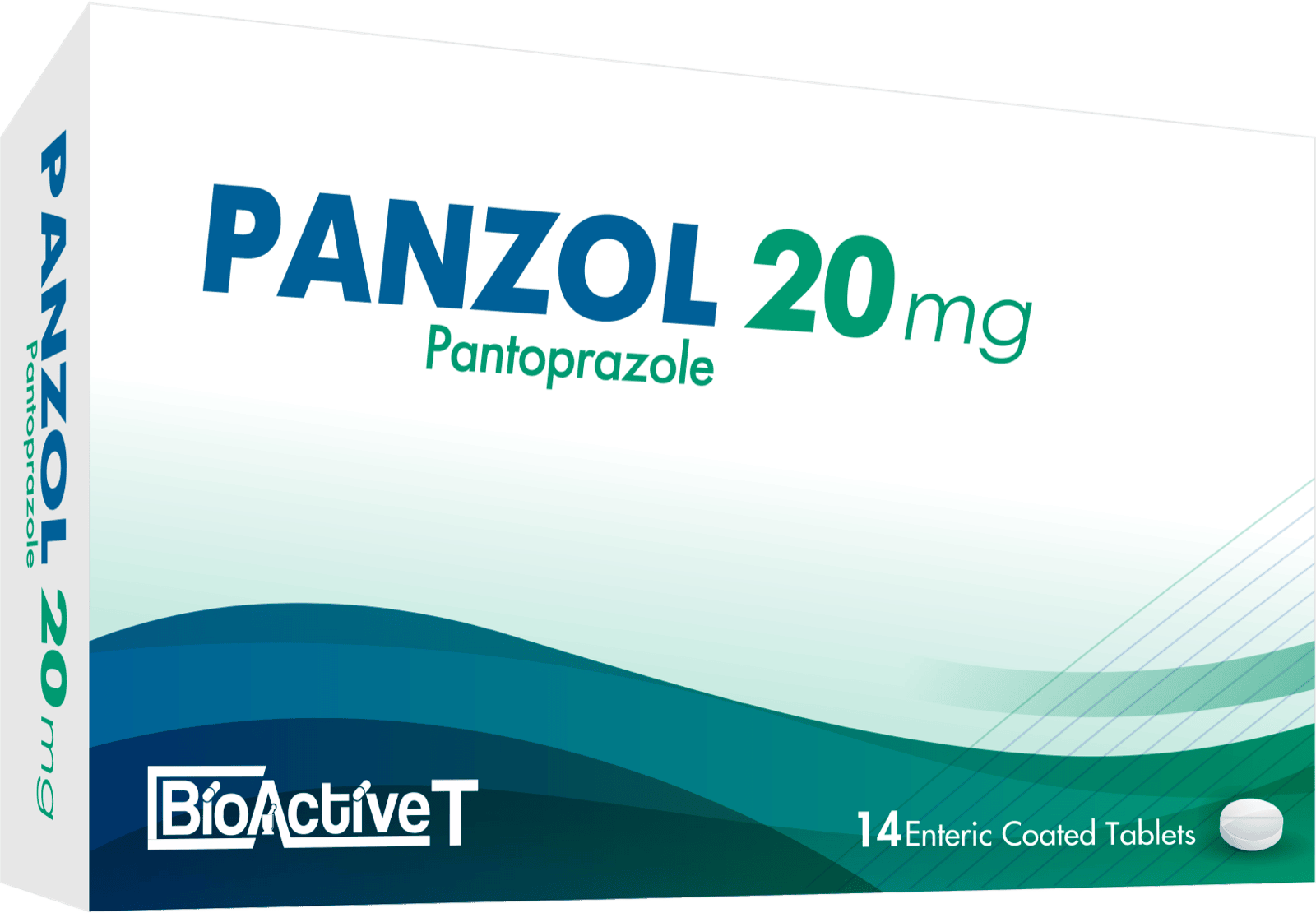
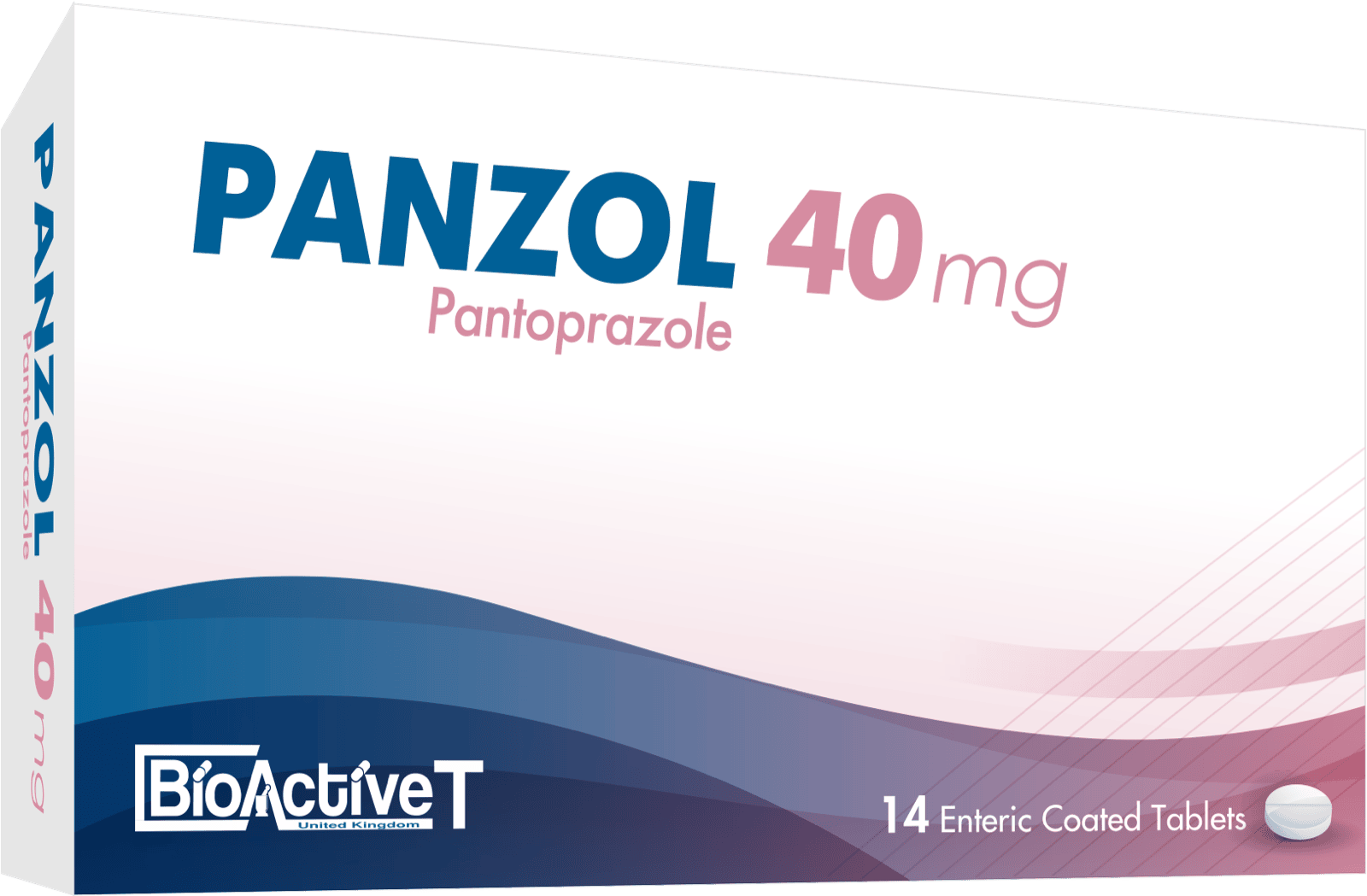
View our available products of Gastrointestinal-health below.
How do I prevent symptoms of GERD (chronic acid reflux)?
Here are 10 tips to help prevent GERD symptoms:
- Achieve and maintain a healthy weight.
- Eat small, frequent meals rather than huge amounts a few times a day.
- Reduce fat by decreasing the amount of butter, oils, salad dressings, gravy, fatty meats and full-fat dairy products such as sour cream, cheese and whole milk.
- Sit upright while eating and stay upright (sitting or standing) for 45 to 60 minutes afterward.
- Avoid eating before bedtime. Wait at least three hours after eating to go to bed.
- Try not to wear clothes that are tight in the belly area. They can squeeze your stomach and push acid up into the esophagus.
- When sleeping, raise the head of the bed 6 to 8 inches, using wooden blocks under the bedposts. Extra pillows don’t work.
- Stop smoking.
- Your healthcare provider may prescribe acid-reducing medications. Be sure to take them as directed.
- Cut out possible trigger foods.
What foods should I avoid if I have GERD (chronic acid reflux)?
Adjusting your diet and eating habits play a key role in managing the symptoms of GERD. Try to avoid the trigger foods that keep giving you heartburn.
- Spicy foods.
- Fried foods.
- Fatty (including dairy) foods.
- Chocolate.
- Tomato sauces.
- Garlic and onions.
- Alcohol, coffee and carbonated drinks.
- Citrus fruits.
Keep a record of the trigger foods that give you trouble. Talk with your provider to get help with this. They’ll have suggestions about how to log foods and times of day you should eat.
This article is for general education. It is not medical advice. Talk to a doctor or pharmacist about your specific situation.
Related BioActiveT products
Products from our range in Gastrointestinal Health.