Orthopedic Care
Osteoarthritis (OA) is the most common chronic joint condition. OA is also called wear-and-tear arthritis, degenerative arthritis, and degenerative joint disease.
Prevention
What is osteoarthritis?
Osteoarthritis (OA) is the most common chronic joint condition. OA is also called wear-and-tear arthritis, degenerative arthritis, and degenerative joint disease.
A joint is where two bones come together. Cartilage is the protective tissue that covers the ends of the bones. With OA, this cartilage breaks down, causing the bones within the joint to rub together. This can cause pain, stiffness, and other symptoms.
OA can occur in any joint. However, the most commonly affected areas of the body include the:
- hands
- fingers
- shoulder
- spine, typically at the neck or lower back
- hips
- knees
OA occurs most often in older people, although it can occur in adults of any age.
OA is a leading cause of disability. The Centers for Disease Control and Prevention (CDC)Trusted Source says that it affects more than 32.5 million adults in the United States. Here’s everything you need to know about OA
Osteoarthritis symptoms
The most common symptoms of OA include:
- joint pain
- stiffness in the joint
- loss of flexibility and reduced range of motion
- tenderness or discomfort when pressing on the affected areas with your fingers
- inflammation
- crepitus, or grating, crackling, clicking, or popping sounds when you move your joints
- bone spurs, or extra lumps of bone, which are typically painless
As OA becomes more advanced, the pain associated with it may become more intense. Over time, swelling in the joint and surrounding area may also occur. Learn how to recognize the early symptoms of OA, which can help you to better manage the condition.
Osteoarthritis causes
OA is caused by joint damage. This damage can have a cumulative effect over time, which is why age is one of the main causes of the joint damage leading to OA. The older you are, the more repetitive stress you’ve had on your joints.
Other causes of joint damage include:
- past injury, such as torn cartilage, dislocated joints, or ligament injuries
- joint malformation
- obesity
- poor posture
Certain risk factors increase your chances of developing OA. They include:
- having family with the condition, particularly parents or siblings
- gender, with women having higher rates of OA than men
- being at least 50 years old, according to the Arthritis Foundation
- having undergone menopause
- having an occupation that involves kneeling, climbing, heavy lifting, or similar actions
- a history of injury
- being overweight or having obesity
- poor posture
- having another medical condition that affects your joint health, such as diabetes or a different type of arthritis
Having OA in one part of your body also increases your risk of developing OA in other parts of your body. Learn more about possible causes of OA.
Osteoarthritis treatment
OA treatment is centered upon symptom management. The type of treatment that will help you the most will largely depend on the severity of your symptoms and their location.
Often, over-the-counter (OTC) medications, lifestyle changes, and home remedies will be enough to provide you with relief from pain, stiffness, and swelling.
Osteoarthritis treatment
OA treatment is centered on symptom management. The type of treatment that will help you the most will largely depend on the severity of your symptoms and their location.
Often, over-the-counter (OTC) medications, lifestyle changes, and home remedies will be enough to provide you with relief from pain, stiffness, and swelling.
Medications
A number of different types of OA medications can help provide relief. They include:
- Oral pain relievers. Acetaminophen (Tylenol) and other pain relievers help reduce pain but not swelling.
- Topical pain relievers. These OTC products are available as creams, gels, and patches. They help to numb the joint area and can provide pain relief, especially for mild arthritis pain.
- Nonsteroidal anti-inflammatory drugs (NSAIDs). NSAIDs such as ibuprofen (Advil, Motrin) and naproxen (Aleve, Naprosyn) help reduce swelling as well as pain.
- Corticosteroids. These prescription medications are available in oral form. They may also be given by injection directly into a joint. Examples include cortisone and triamcinolone acetonide (Kenalog-40, Zilretta).
- Cymbalta. Your doctor may prescribe the antidepressant duloxetine (Cymbalta), which the Food and Drug Administration (FDA) has also approved for the treatment of musculoskeletal pain.
Your doctor may recommend OTC solutions as a first approach. Learn more about OTC and prescription medications for OA.
View our available products of Fertility-care below.
Osteoarthritis prevention
You may have risk factors for OA that you can’t change, such as heredity and age. However, other risk factors can be controlled. Managing them can help reduce your risk of OA.
The following tips can help you manage the risk factors under your control:
- Support your body. If you’re an athlete or an avid exerciser, make sure you care for your body. Wear athletic supports and shoes that reduce impact on your knees. Also make sure to vary your sports, so that all of your muscles get a workout, not just the same muscles every time.
- Maintain a moderate weight. Keep your body mass index in the appropriate range for your height and sex.
- Eat a nutritious diet. Reach for a range of healthy foods, with a focus on fruits and vegetables.
- Get enough rest. Give your body ample opportunities to rest and sleep.
If you have diabetes, keeping track of your blood sugar can also help you manage your risk of OA. Discover more OA prevention tips.
Exercises for osteoarthritis
Gentle stretching exercises can be very helpful if you have OA, especially for stiffness or pain in your knees, hips, or back. Stretching can help improve mobility and range of motion.
As with any exercise plan, check with your doctor before beginning, to make sure it’s the right course of action for you. If stretching exercises get the green light, try these hip exercises.
Natural remedies for osteoarthritis
Alternative treatments and supplements may help to relieve symptoms such as inflammation and joint pain. Some supplements or herbs that may help include:
- fish oil
- green tea
- ginger
Other alternative treatment options include:
- acupuncture
- physical therapy
- massage therapy
Other remedies can range from taking Epsom salt baths to using hot or cold compresses.
Talk with your doctor about any herbs or supplements you’re considering before you use them. This will help ensure that they are safe, effective, and won’t interfere with other medications you’re taking.
Interested in additional natural home remedies for OA? Here are more that are known to work.
Osteoarthritis diet
There’s no downside to eating a nutritious diet. And if you have OA, diet and nutrition are especially important.
First off, you’ll want to keep your weight in a moderate range to reduce unnecessary pressure on your joints.
A 2020 research review also suggests that some types of OA, such as OA of the knee, respond positively to a diet high in flavonoids. Flavonoids are nutrients found in fruits and vegetables.
The antioxidants found in many fruits and vegetables may also help counteract the free radicals produced by inflammation. Free radicals are molecules that can cause cell damage.
A high quality diet may help provide relief from OA symptoms by lowering inflammation and swelling. Eating foods high in the following can be highly beneficial:
- vitamin C
- vitamin D
- beta carotene
- omega-3 fatty acids
Increasing your intake of foods with anti-inflammatory properties will help, too. Check out more reasons and ways to eat well while living with OA.
This article is for general education. It is not medical advice. Talk to a doctor or pharmacist about your specific situation.
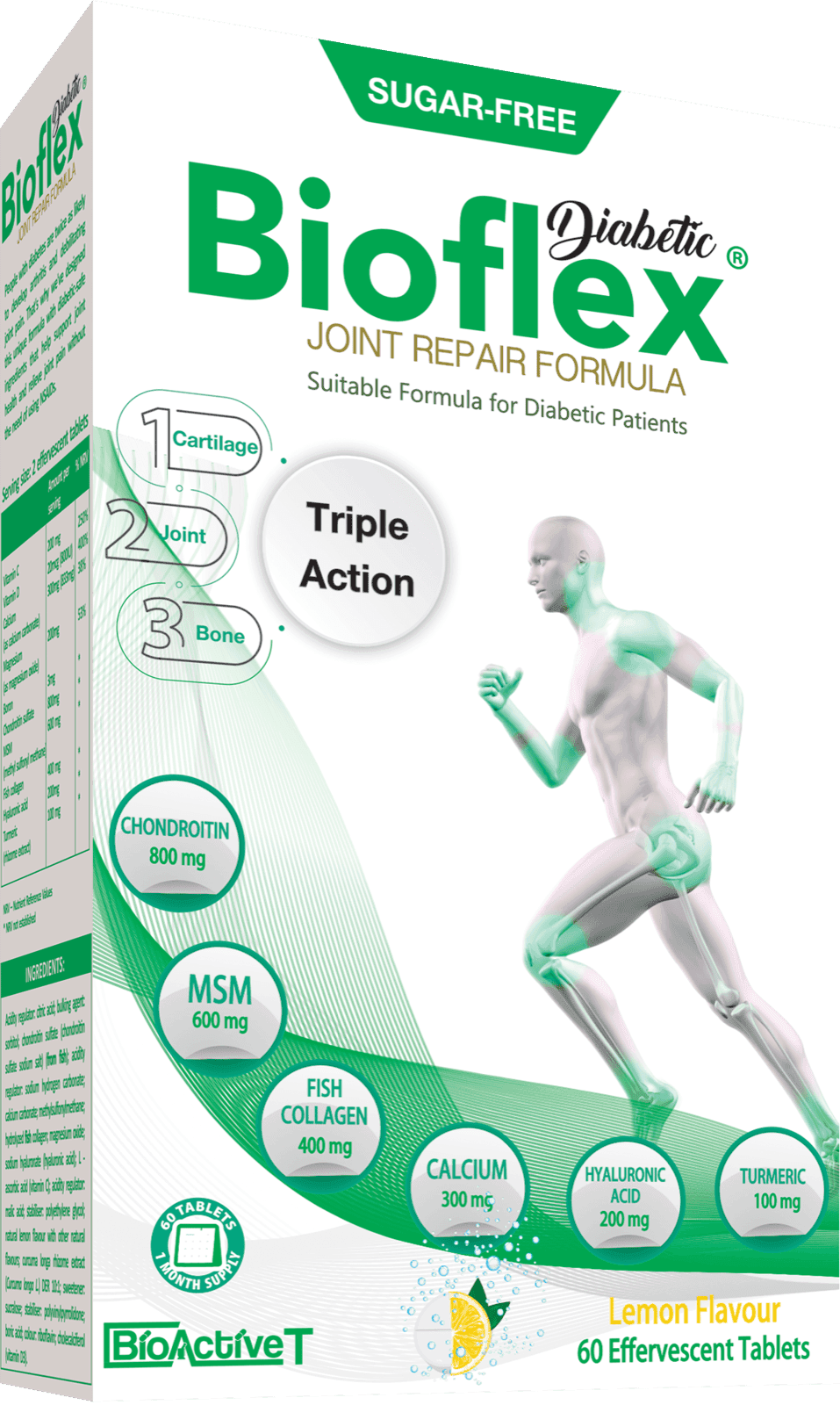
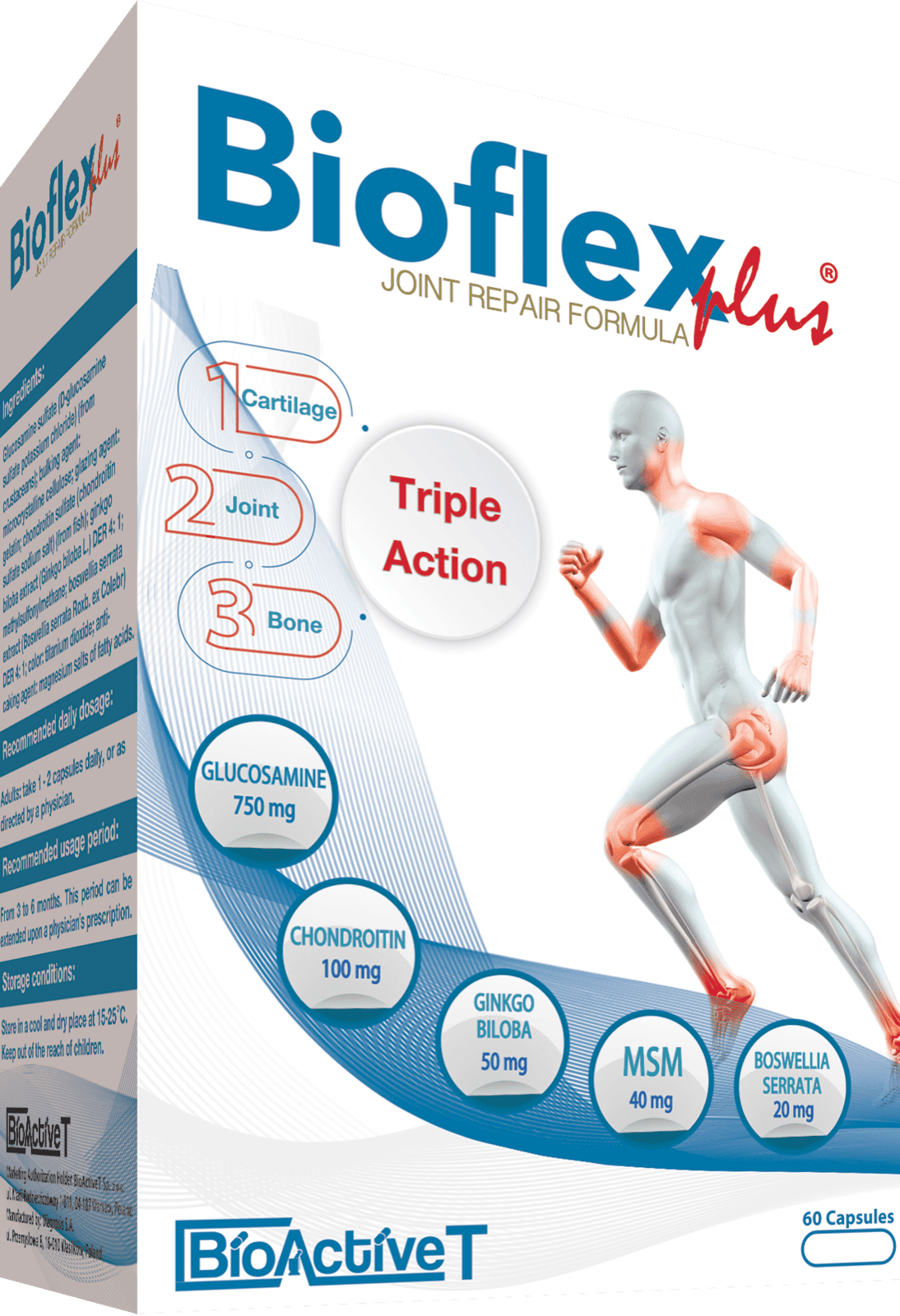
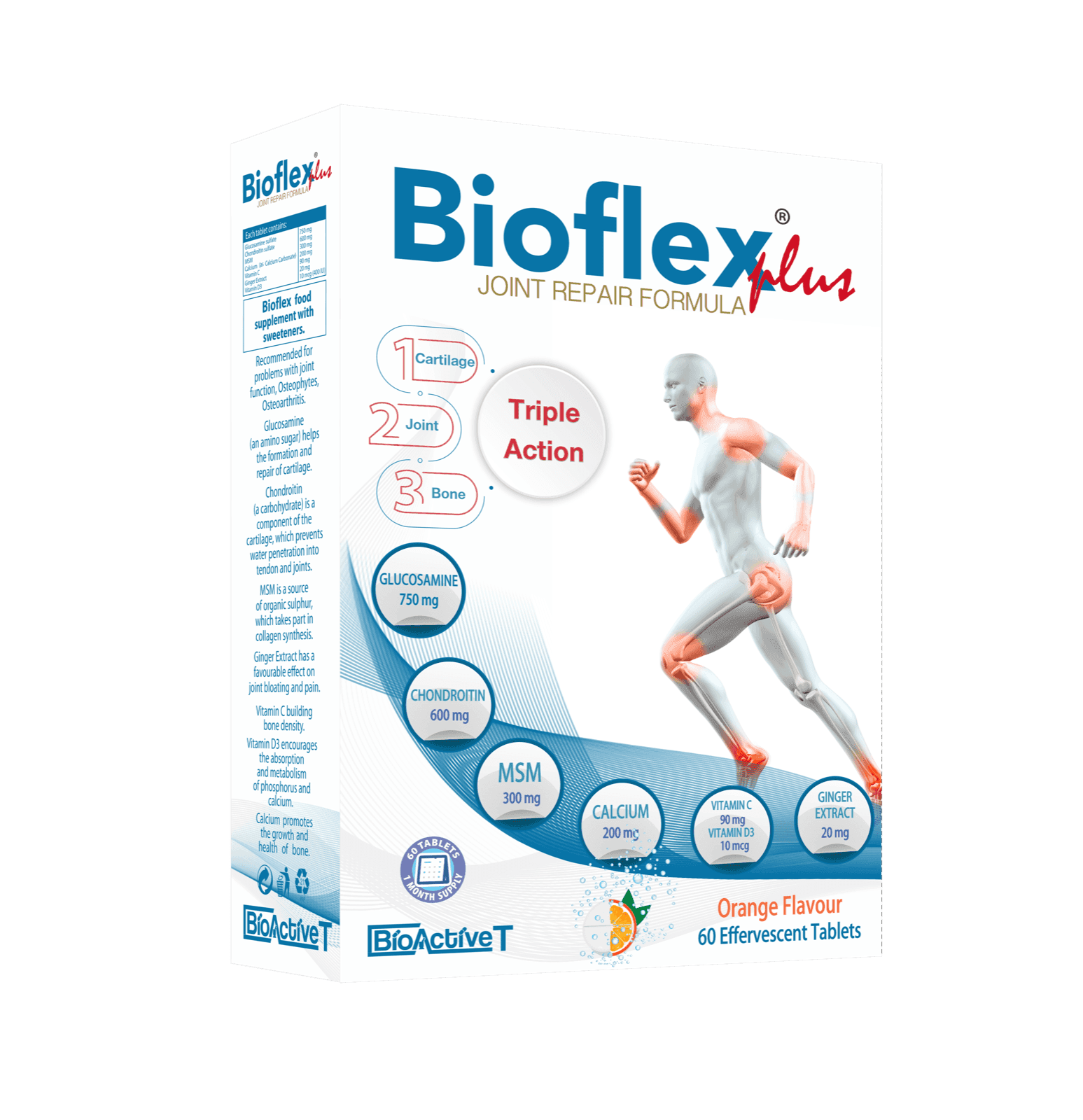
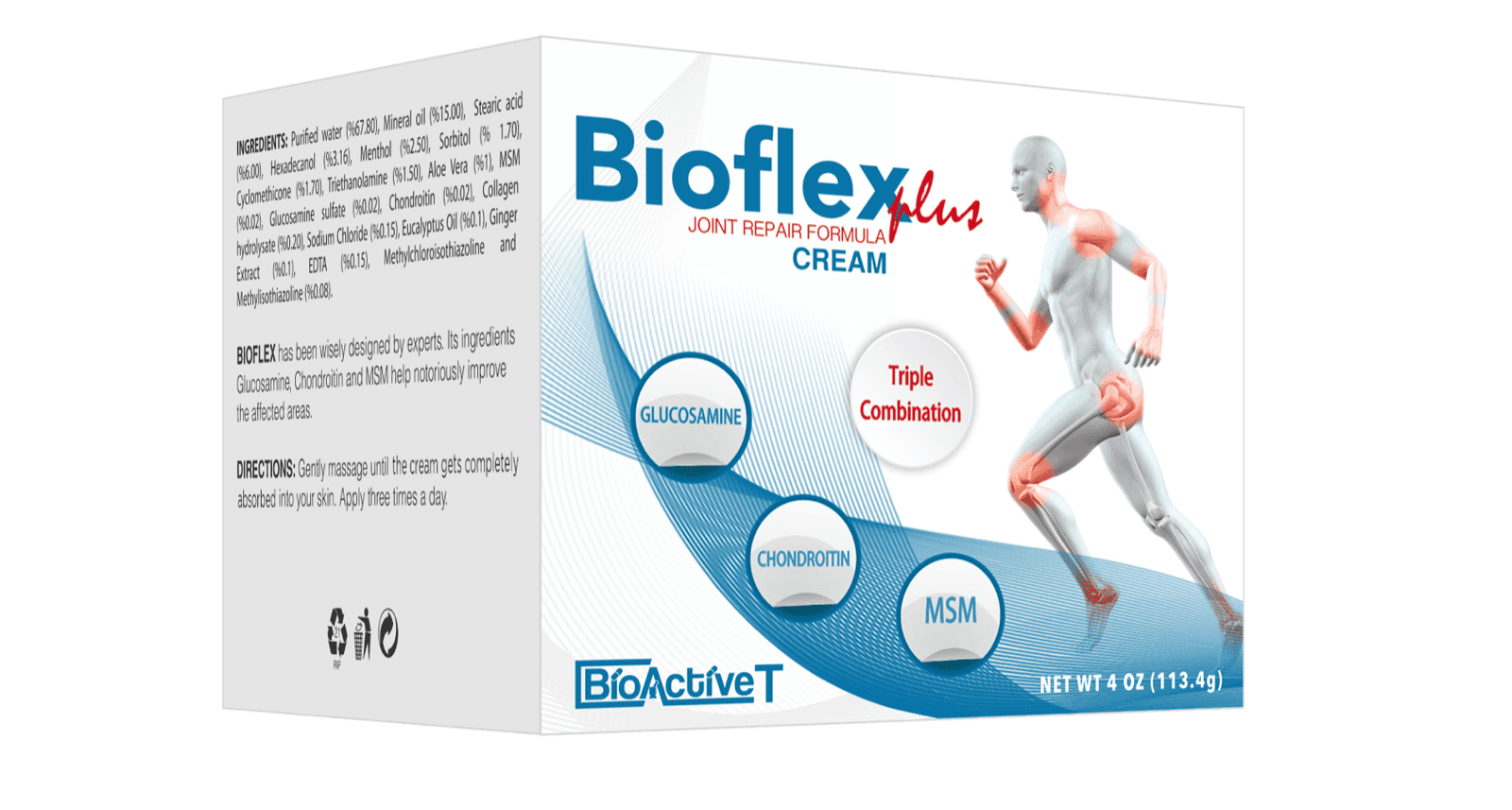
Related BioActiveT products
Products from our range in Orthopedic Care.