Neurological Care
Your nervous system helps the different parts of your body to communicate with each other. Signals in your nervous system are sent along a complex network of nerve cells called neurons.
What is the nervous system?
Your nervous system helps the different parts of your body to communicate with each other. Signals in your nervous system are sent along a complex network of nerve cells called neurons.
While you only have one nervous system, it’s divided into two different parts. These are your:
- Central nervous system (CNS): Your CNS is made up of your brain and spinal cord. On a basic level, it takes in, analyzes, and responds to internal and environmental information. Think of it as your body’s main communication hub.
- Peripheral nervous system (PNS): Your PNS includes the rest of the nerve tissue outside of your brain and spinal cord. It helps to transmit information from your CNS to the rest of your body and vice versa. It also has two parts, which include your:
- Somatic nervous system: Your somatic nervous system sends signals from your CNS to your skeletal muscles, which allow you to react to things in your environment.
- Autonomic nervous system: Your autonomic nervous system controls your involuntary body functions, such as your heart rate, blood pressure, and digestion.
What are the different types of nervous system diseases?
There are more than 600 diseases that can impact your nervous system, according to the National Library of Medicine. These types of diseases are also referred to as neurological diseases.
A 2020 studyTrusted Source of neurological diseases in the United States found that the number of people with these diseases increased from 1990 to 2017. This is likely due to an aging population. The three diseases with the highest impact were:
- stroke
- Alzheimer’s disease and other dementias
- migraine
There are many different types of neurological diseases.
Uses of ginkgo biloba
Ginkgo is used as an herbal remedy to treat many conditions. It may be best known as a treatment for dementia, Alzheimer’s disease, and fatigue. Other conditions it’s used to treat are:
- anxiety and depression
- schizophrenia
- insufficient blood flow to the brain
- blood pressure problems
- altitude sickness
- erectile dysfunction
- asthma
- neuropathy
- cancer
- premenstrual syndrome
- attention deficit hyperactivity disorder (ADHD)
- macular degeneration
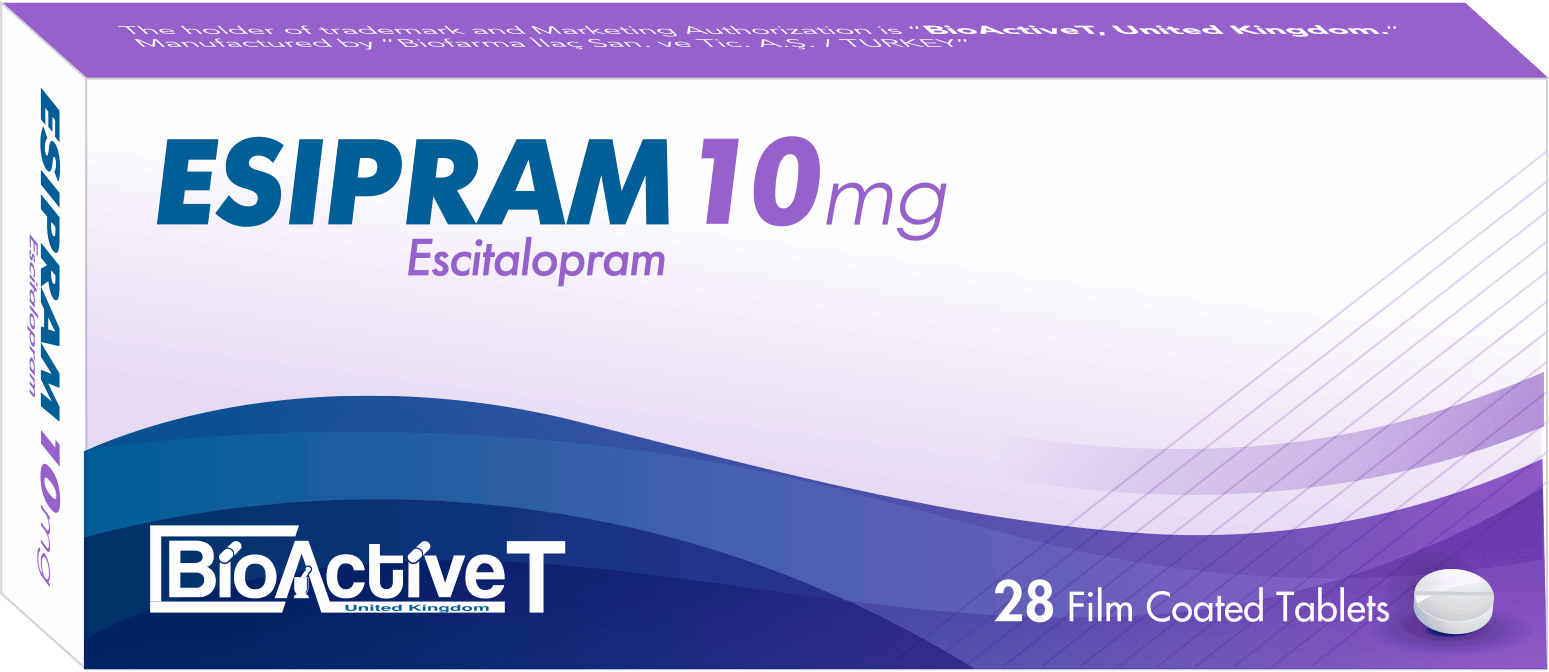
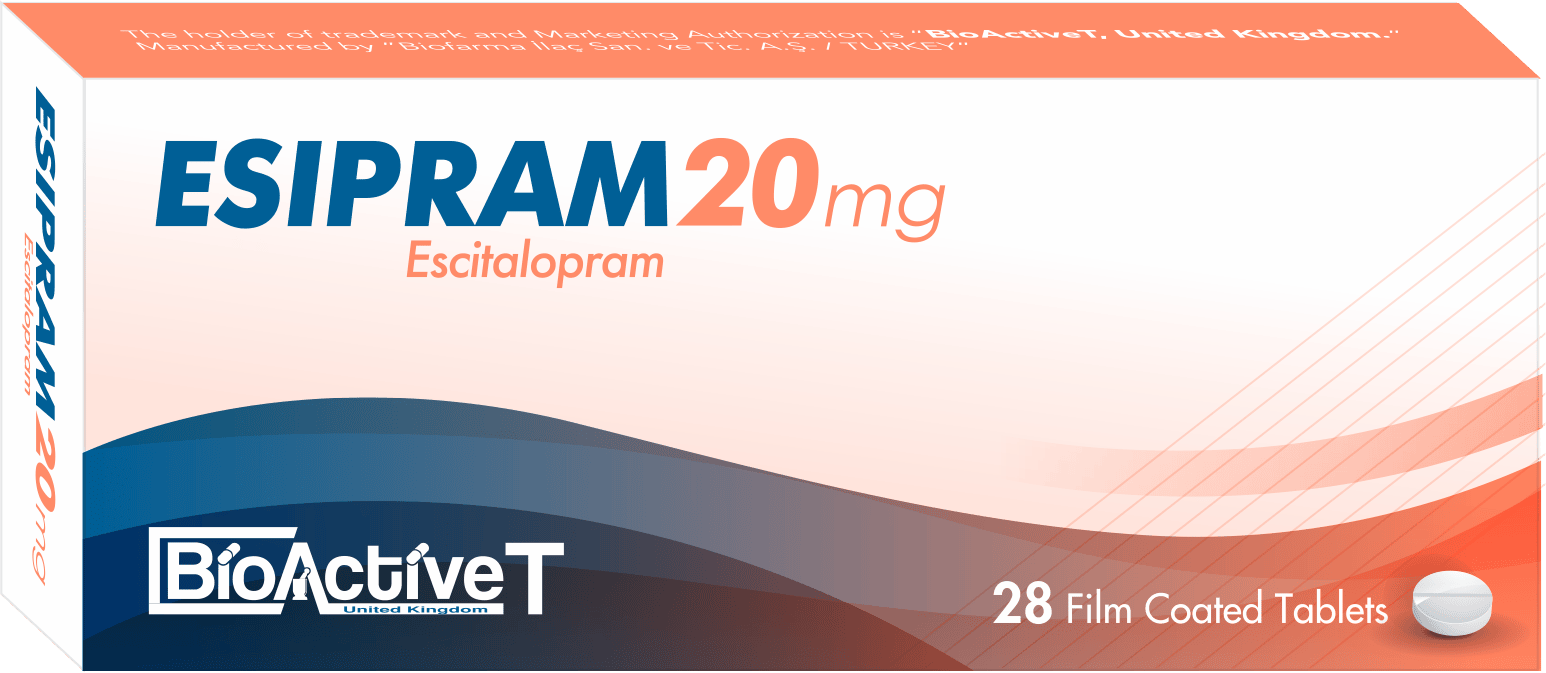
View our available products of Neurological-care below.
Quick tips to keep your brain healthy.
- 1. Exercise regularly.
- The first thing I tell my patients is to keep exercising. Exercise has many known benefits, and it appears that regular physical activity benefits the brain. Multiple research studies show that people who are physically active are less likely to experience a decline in their mental function and have a lower risk of developing Alzheimer’s disease.
- We believe these benefits are a result of increased blood flow to your brain during exercise. It also tends to counter some of the natural reduction in brain connections that occur during aging, in effect reversing some of the problems.
- Aim to exercise several times per week for 30–60 minutes. You can walk, swim, play tennis or any other moderate aerobic activity that increases your heart rate.
- 2. Get plenty of sleep.
- Sleep plays an important role in your brain health. There are some theories that sleep helps clear abnormal proteins in your brain and consolidates memories, which boosts your overall memory and brain health.
- It is important that you try to get seven to eight consecutive hours of sleep per night, not fragmented sleep of two- or three-hour increments. Consecutive sleep gives your brain the time to consolidate and store your memories effectively. Sleep apnea is harmful to your brain’s health and may be the reason why you may struggle to get consecutive hours of sleep. Talk with your health care provider if you or a family member suspects you have sleep apnea.
- 3. Eat a Mediterranean diet.
- Your diet plays a large role in your brain health. I recommend my patients consider following a Mediterranean diet, which emphasizes plant-based foods, whole grains, fish and healthy fats, such as olive oil. It incorporates much less red meat and salt than a typical American diet.
- Studies show people who closely follow a Mediterranean diet are less likely to have Alzheimer's disease than people who don't follow the diet. Further research is needed to determine which parts of the diet have the biggest impact on your brain function. However, we do know that omega fatty acids found in extra-virgin olive oil and other healthy fats are vital for your cells to function correctly, appears to decrease your risk of coronary artery disease, and increases mental focus and slow cognitive decline in older adults.
- 4. Stay mentally active.
- Your brain is similar to a muscle — you need to use it or you lose it. There are many things that you can do to keep your brain in shape, such as doing crossword puzzles or Sudoku, reading, playing cards or putting together a jigsaw puzzle. Consider it cross-training your brain. So incorporate different activities to increase the effectiveness.
- I don’t recommend any of the paid brain-training programs available today. These programs often make promises that they can’t keep or focus on memorization skills that aren’t useful in everyday life. Your brain can get just as good of a workout through reading or challenging yourself with puzzles. Finally, don’t watch too much television, as that is a passive activity and does little to stimulate your brain.
- 5. Remain socially involved.
- Social interaction helps ward off depression and stress, both of which can contribute to memory loss. Look for opportunities to connect with loved ones, friends and others, especially if you live alone. There is research that links solitary confinement to brain atrophy, so remaining socially active may have the opposite effect and strengthen the health of your brain.
This article is for general education. It is not medical advice. Talk to a doctor or pharmacist about your specific situation.
Related BioActiveT products
Products from our range in Neurological Care.